How did you decide to participate in the Biomapas Academy?
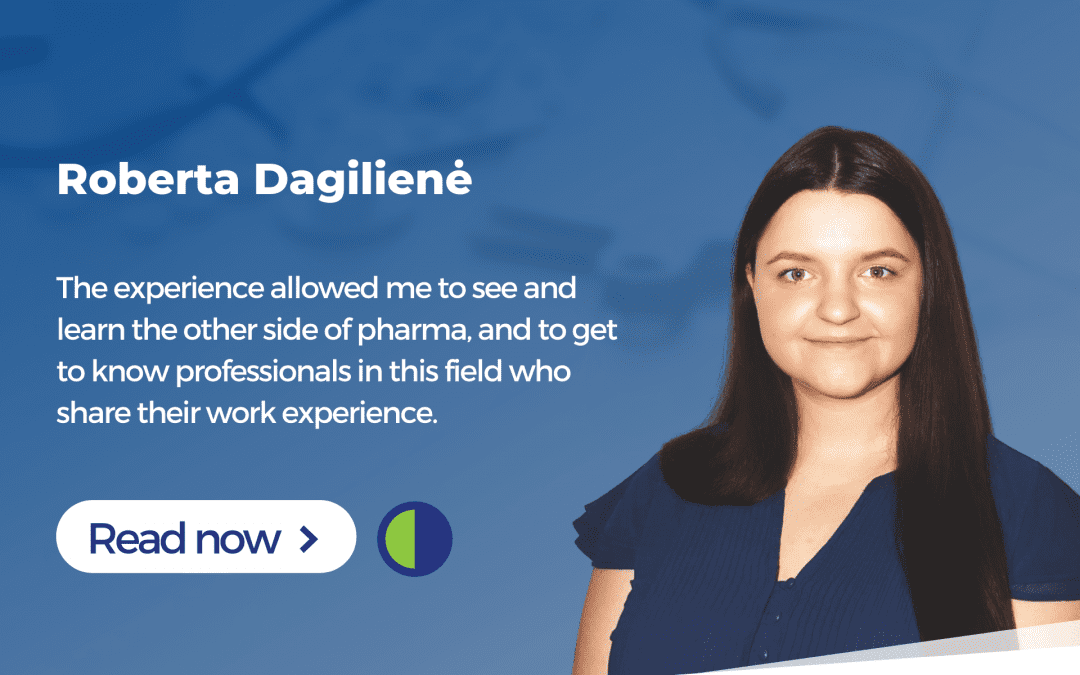
When I used to walk past a pharmacy every day, I could never stop dreaming about being able to help people and develop innovative pharmaceuticals. So while studying biomedical sciences, I became interested in the drug development paths, which led me to medicinal chemistry. And one day at the university, I saw a poster about the Biomapas Academy, which could help me understand what, how, where, and when happens to pharmaceutical products during the whole journey to reach us, so I signed up for it without hesitation. Even though I am usually not a lucky person, I was selected to be one of the participants, which surprised me!
How was your experience regarding the Academy?
During the few months, I deepened my existing knowledge of drug development stages and expanded it to learn more about drug regulation and pharmacovigilance. After graduating from the Academy, I got the opportunity to try out regulatory affairs as part of Biomapas – I completed a summer internship in the Regulatory Affairs department.
How do you feel after graduating from the Academy?
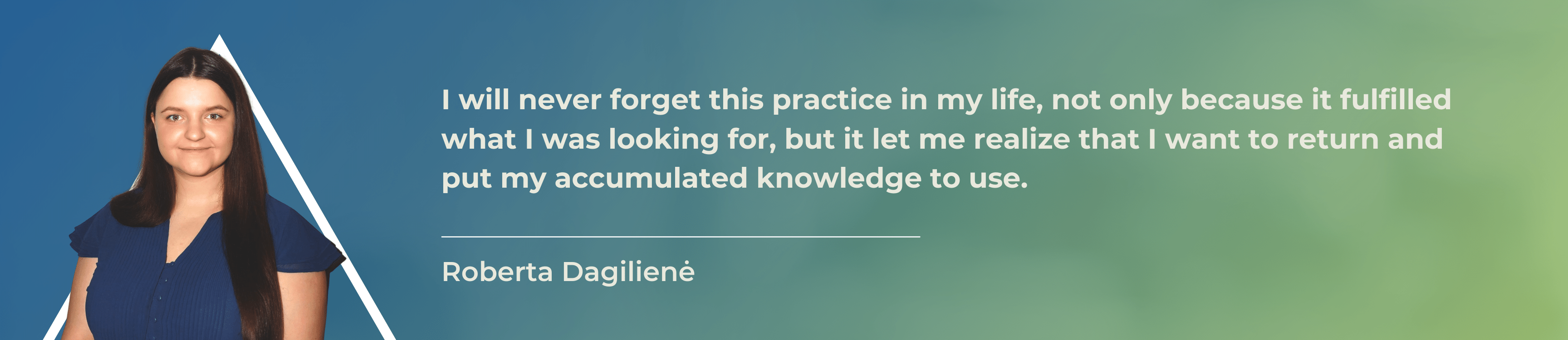
I will never forget this practice in my life, not only because it fulfilled what I was looking for, but it let me realize that I want to return to this company after my graduation and put my accumulated knowledge to use. Thanks again to all Biomapas staff for their insights and advice, and I hope to see you soon.

Biomapas Academy
What is Clinical Research? Regulatory Affairs? Pharmacovigilance?
How to Choose a Clinical Safety and Medical Monitoring Service Provider for Phase I Clinical Trials
Explore key considerations when choosing a clinical safety and medical monitoring service provider for Phase I trials.
Clinical Safety Outsourcing: When It Makes Sense for Biotech Companies
Learn when clinical safety outsourcing becomes the right choice for biotechs and how clinical safety management supports growing clinical trials.
Celebrating 25 Years of Biomapas
This year we marked 25 years since Biomapas was founded. What began as a local Lithuanian CRO has evolved into a global organization, delivering integrated regulatory affairs, pharmacovigilance, medical information, and clinical operations to clients across Europe,...
How Medical Information Insights Add Strategic Value to Pharma and Biotech
Why medical information is more than a compliance function — and how consistent, unified insight turns everyday inquiries into strategic value across safety, strategy, and decision-making.
Case Study: Transforming Medical Information Across 17 European Markets
How Biomapas helped a leading pharmaceutical company transform its Medical Information operations across Europe.
When Do Biotech Companies and Startups Need Pharmacovigilance
Many biotech startups assume pharmacovigilance begins after approval, but regulatory expectations and clinical trial complexity often require safety oversight much earlier. Learn when pharmacovigilance becomes essential and how to stay compliant as you scale.
How to Build Clinical Safety for Biotechs Without a Full Department
Discover how biotech companies can build scalable clinical safety management early, ensuring compliance, oversight, and efficient operations across development phases.
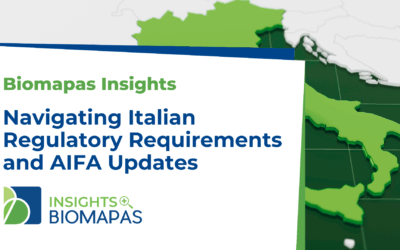
Biomapas Insights: Navigating Italian Regulatory Requirements and AIFA Updates
Clear guidance on Italian regulatory requirements for promotional materials and recent AIFA updates affecting pharmaceutical companies.
Clinical Safety Management in Pharma: How to Manage Risk Across the Drug Development Lifecycle
Learn how effective clinical trial safety management supports risk mitigation, regulatory compliance, and patient safety across all stages of drug development.
Global Case Processing in Pharmacovigilance: Practical Guide to Compliance, Quality, and Scale
As pharmacovigilance expands across markets, maintaining control becomes challenging. In this article, we explore key risks, regulatory differences, and scalable models for global case processing.